
It said New Delhi increased its purchase of foreign exchange over the first three quarters of 2017 which does not appear necessary.

Tata Motors was the worst performer on the Sensex, plummeting 10.32 per cent to Rs 436.55 after the company reported a steep 96.22 per cent decline in consolidated net profit for the December quarter.

The S&P BSE Sensex closed at 26,190, up by 43 points and Nifty50 settled above 7,950 to end at 7,963, up by 17 points

In the metal pack, Tata Steel was up 3.7% while Vedanta was up 1.8% .
Moody's assigns 'Baa3' rating on India, with a stable outlook.
The RBI is widely expected to raise its key repo rate by 25 basis points to 8.00 per cent on Wednesday, its third such hike in four months after recent data showed both wholesale and retail inflation at multi-month highs.
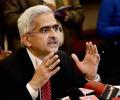
The uncertainty created by the jump in COVID-19 infections and localised lockdowns prompted RBI Governor Shaktikanta Das and other members of the rating setting panel MPC to unanimously vote for status quo in interest rates and an accommodative policy stance to support growth, as per minutes of the meeting released on Thursday. "The need of the hour is to effectively secure the economic recovery underway so that it becomes broad-based and durable," the Governor said during the three-day meeting of the Monetary Policy Committee (MPC) which ended on April 7. The renewed jump in COVID-19 infections in several parts of the country and the associated localised and regional lockdowns add uncertainty to the growth outlook, he observed, as per the minutes of the meeting released by the central bank.

The trend was visible in the early trade on Thursday as investors indulged in trimming their bets after the minutes of the US Federal Reserve's September meeting indicated a possible rate hike this year.

FIIs are looking at the long-term story and initiatives of Indian pharma companies to transform themselves into global entities.
.jpg)
The economy grew at a four year low of 4.4 per cent in the April-June quarter of current year.

'There is a misconception that gold is a dead asset in India.' 'Around 30 per cent of agriculture loans are collateralised by gold, Soumya Kanti Ghosh and Saket Hishikar, economists at the SBI, point out.

Healthy demand for the American unit from importers and corporate weighed on the rupee

Citing the impact of the second wave of the pandemic over the economy and consumer sentiment, Swiss brokerage Credit Suisse has lowered its nominal GDP growth forecast by 150-300 bps to 13-14 per cent, but expects a stronger recovery in the second half as it sees the lockdowns having limited impact on tax collections. Last month, Neelkanth Mishra, the co-head of equity strategy for Credit Suisse Asia Pacific, and India equity strategist, had told PTI that he expected the real GDP to fall to 8.5-9 per cent in FY22 due to the more severe pandemic attack. The virus case load has crossed the 25-million mark, death toll from the same is nearing 2.9 lakh mark, which is one of the highest in the world as the test positivity rate has been around 15 per cent for long.

There's surplus liquidity and RBI, with plentiful forex reserves, is ready to pump whatever extra is needed

RIL, HDFC twins, M&M, Infosys among the top losers for the day.
'A strong foreign exchange reserve is the best safety net against global spillovers.'

Indian corporates might face higher borrowing cost in the overseas market in short-run due to the Greek debt crisis.

Notable losers were ONGC, Axis Bank, ITC, SBI, ICICI Bank, NTPC, Hero Motocorp, Sun Pharma and Bharti Airtel who fell by up to 2.80 per cent.

US Fed rate rise raises risk of further drying up of FII flows.


TCS, ICICI Bank, Sun Pharma,Tata Motors and HDFC among the top losers for the day

In another round of economic booster, Sitharaman announced steps to help homebuyers and push exports.

In dollar terms, the Indian markets managed to climb back to 2008 levels only in January this year. The subsequent fall in the rupee because of emerging market woes has once again pushed the markets below their 2008 level in dollar terms.

The ballooning of crude prices has significantly increased the country's oil import bill and it can also lead to a worsening of the current account deficit and fiscal deficit for the domestic economy.

The Budget proposal will help startups with better incubation, talent and capital

The total value of holdings of domestic institutional investors as a percentage of the value of FII holdings has reached its highest level in four years.

We are much better placed than in 2013 with our overall fundamentals much stronger - higher foreign exchange reserves, a more favourable growth-inflation mix and an institutional framework for targeting inflation, says B Prasanna.

The Financial Stability and Development Council members include heads of regulatory bodies like RBI, Sebi and Insurance Regulatory Development Authority.

The central bank measures though are also taking a toll on the banking sector, which is heavily reliant on short-term money markets for capital.
While the UN report said that FDI inflows rose 6 per cent in 2018 to $ 42 billion, the government's own data for the entire FY19 period has shown that inbound equity investments declined for the first time in six years in FY19.

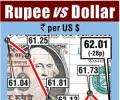
Year-to-date, the rupee is the worst-performing currency in Asia, weakening 4.184 per cent against the US dollar.

In a wide-ranging overhaul of rules to make India an easier, safer and attractive investment destination, Sebi on Tuesday unveiled a new set of streamlined entry norms for foreign investors, while putting in place checks against any wrongdoings by the company promoters.

Demonetisation, Donald Trump's surprise victory in the US presidential elections, and the fear that US Fed may hike rates in the upcoming policy review in December have dented market sentiments, report Puneet Wadhwa & Deepak Korgaonkar.

Switzerland has been making efforts to strengthen its bilateral cooperation with India .

Indian economy was growing faster than the global average and all other major economies: FM

The steep decline in commodity prices has reversed.
.jpg)
Top sources in RBI blamed 'unwarranted rumours' about controls on foreign institutional investors' money to the nearly 770 point drop in the benchmark Sensex and rupee dipping to its lowest levels.

'Long-term retail investors should not worry about these sharp dips and jumps if they have chosen their stocks wisely.' 'Short-term volatility is a given and a rise and fall of two-three per cent should not worry them.'
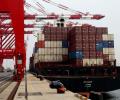
In 2016, almost two-thirds of Indian imports that appear to be most at risk for some degree of potential revenues losses are imports from just one country, China, which was by far India's largest source of imports in that year
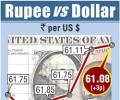
Overseas funds have also become strong buyers of debt, with net purchases of $5.6 billion so far this year.
